Frequently Asked Questions
What are the benefits of secondary glazing?
The benefits of secondary glazing include enhanced thermal insulation, improved soundproofing, and increased energy efficiency. It also helps to reduce condensation and can be fitted to various window styles, including bay windows, providing a versatile solution for homeowners.
How does secondary glazing improve insulation?
Secondary glazing improves insulation by creating an additional barrier between the interior and exterior environments. This extra layer reduces heat loss and minimizes external noise, enhancing overall energy efficiency and comfort within your home.
Can secondary glazing be installed on any bay window?
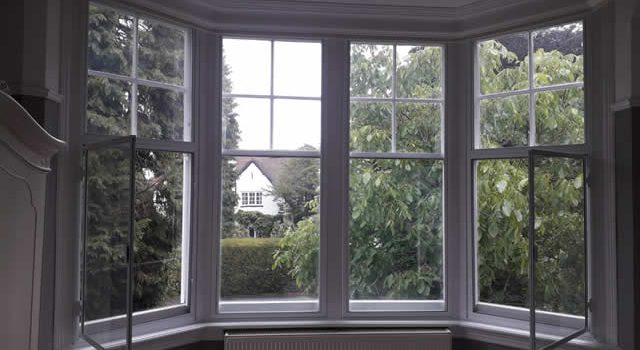
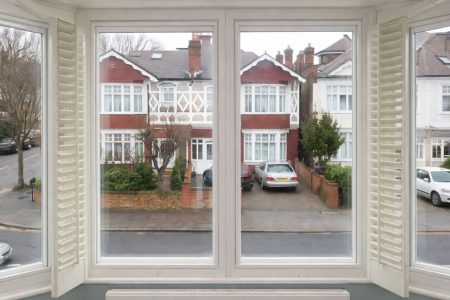
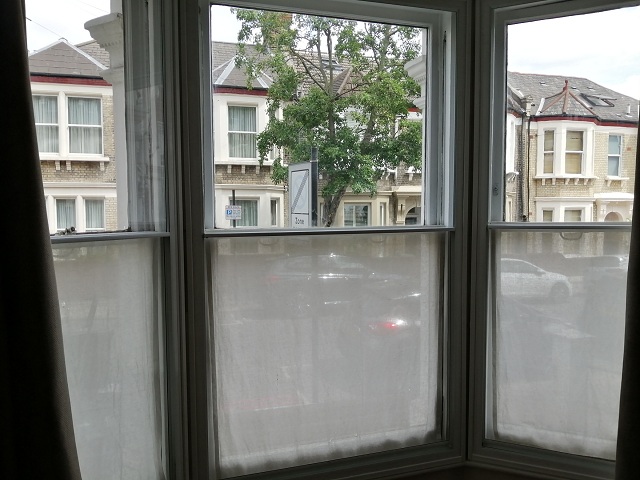
Secondary glazing can be installed on any bay window configuration. Our products are designed to fit seamlessly, enhancing insulation and soundproofing while preserving the aesthetics of your windows.
What materials are used for secondary glazing?
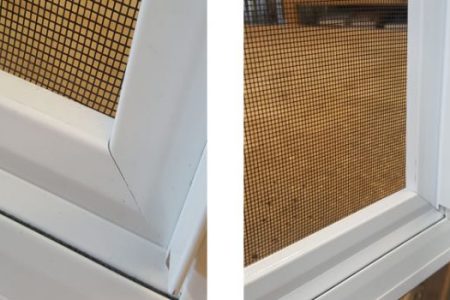
The materials used for secondary glazing typically include high-quality glass, such as float or laminated glass, and durable frames made from aluminium or uPVC. These materials ensure effective insulation and long-lasting performance.
How does secondary glazing reduce noise pollution?
Secondary glazing effectively reduces noise pollution by creating an additional barrier between the outside environment and your living space. This extra layer traps sound waves, significantly minimising noise transmission and enhancing your comfort indoors.
What is the cost of secondary glazing for bay windows?
The cost of secondary glazing for bay windows varies depending on factors such as window size, materials, and installation complexity. Typically, prices range from £300 to £600 per window, including installation. For an accurate quote, please contact us directly.
How long does secondary glazing installation take?
The duration of secondary glazing installation varies, typically taking between two to four hours per window, depending on the complexity of the bay window configuration and the specific requirements of your home.
Are there different styles of secondary glazing?
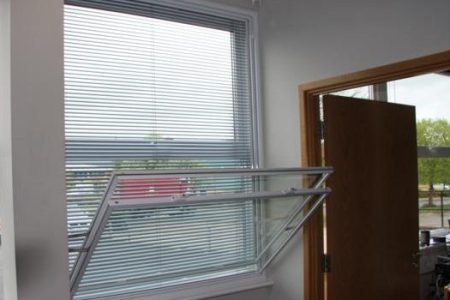
There are various styles of secondary glazing available. These include vertical sliders, hinged units, and fixed panels, each designed to suit different window types and aesthetics, ensuring a perfect fit for any bay window configuration.
What maintenance is required for secondary glazing?
The maintenance required for secondary glazing is minimal. Regularly clean the glass surfaces with a soft cloth and mild detergent, and check the seals for any wear or damage to ensure optimal performance.
How does secondary glazing affect window aesthetics?
The impact of secondary glazing on window aesthetics is significant. It enhances the visual appeal by providing a sleek, modern look while maintaining the original character of the windows, especially in bay configurations.
Can I install secondary glazing myself?
Installing secondary glazing yourself is possible, but it requires careful measurement and installation skills. For optimal results and to ensure proper fit and performance, we recommend consulting a professional installer.
What are the energy efficiency ratings for secondary glazing?
The energy efficiency ratings for secondary glazing indicate its effectiveness in reducing heat loss and improving insulation. Typically, secondary glazing can achieve U-values as low as 1.1 W/m²K, significantly enhancing energy efficiency in homes.
How does secondary glazing compare to double glazing?
Secondary glazing differs from double glazing primarily in its installation and cost-effectiveness. While double glazing involves replacing existing windows, secondary glazing adds an extra layer of glass to your current windows, enhancing insulation and noise reduction without the need for significant renovations.
What is the lifespan of secondary glazing products?
The lifespan of secondary glazing products is typically around 20 to 30 years, depending on the materials used and the quality of installation. Regular maintenance can further extend their durability and effectiveness.
Are there any grants for secondary glazing installation?
Grants for secondary glazing installation may be available depending on your location and specific circumstances. It’s advisable to check with local authorities or energy efficiency programmes for potential funding options.
How do I choose the right secondary glazing?
Choosing the right secondary glazing involves assessing your window type, considering your insulation needs, and determining the aesthetic appeal. Consult with experts to ensure the best fit and functionality for your specific bay window configuration.
What are common issues with secondary glazing?
Common issues with secondary glazing include potential condensation between the panes, difficulty in opening and closing windows, and aesthetic concerns if not properly designed. Additionally, improper installation can lead to reduced effectiveness in sound and thermal insulation.
How can I get a quote for secondary glazing?
Getting a quote for secondary glazing is straightforward. Simply contact Secondary Glazing Master through our website or by phone, and our team will assist you in obtaining a tailored quote based on your specific requirements.
What is the process for secondary glazing installation?
The process for secondary glazing installation involves measuring the existing window frame, manufacturing custom secondary glazing panels, and then fitting these panels securely within the frame to enhance insulation and reduce noise.
Are there any warranties for secondary glazing products?
Warranties for secondary glazing products are available, ensuring peace of mind for our customers. We stand behind the quality of our products, offering guarantees that cover defects in materials and workmanship for a specified period.