Frequently Asked Questions
What are the benefits of secondary glazing?
The benefits of secondary glazing include enhanced insulation, reduced noise pollution, and decreased condensation. This solution improves window performance without the need for full replacements, making it ideal for both traditional and modern properties in Nottingham.
How does secondary glazing improve insulation?
Secondary glazing improves insulation by creating an additional barrier of air between the existing window and the secondary pane. This trapped air acts as an insulating layer, significantly reducing heat loss and enhancing energy efficiency in your property.
Can secondary glazing reduce noise pollution?
Secondary glazing can effectively reduce noise pollution. By adding an extra layer of glass, it creates an insulating barrier that minimises sound transmission, making your living space quieter and more comfortable.
What properties benefit most from secondary glazing?
Properties that benefit most from secondary glazing include older homes with single-glazed windows, buildings in noisy urban areas, and properties prone to condensation. This solution enhances insulation and comfort without the need for full window replacements.
Is secondary glazing suitable for listed buildings?
Secondary glazing is suitable for listed buildings as it enhances insulation and reduces noise without altering the property's exterior appearance. This solution is often favoured for preserving historical integrity while improving energy efficiency.
How is secondary glazing installed in homes?
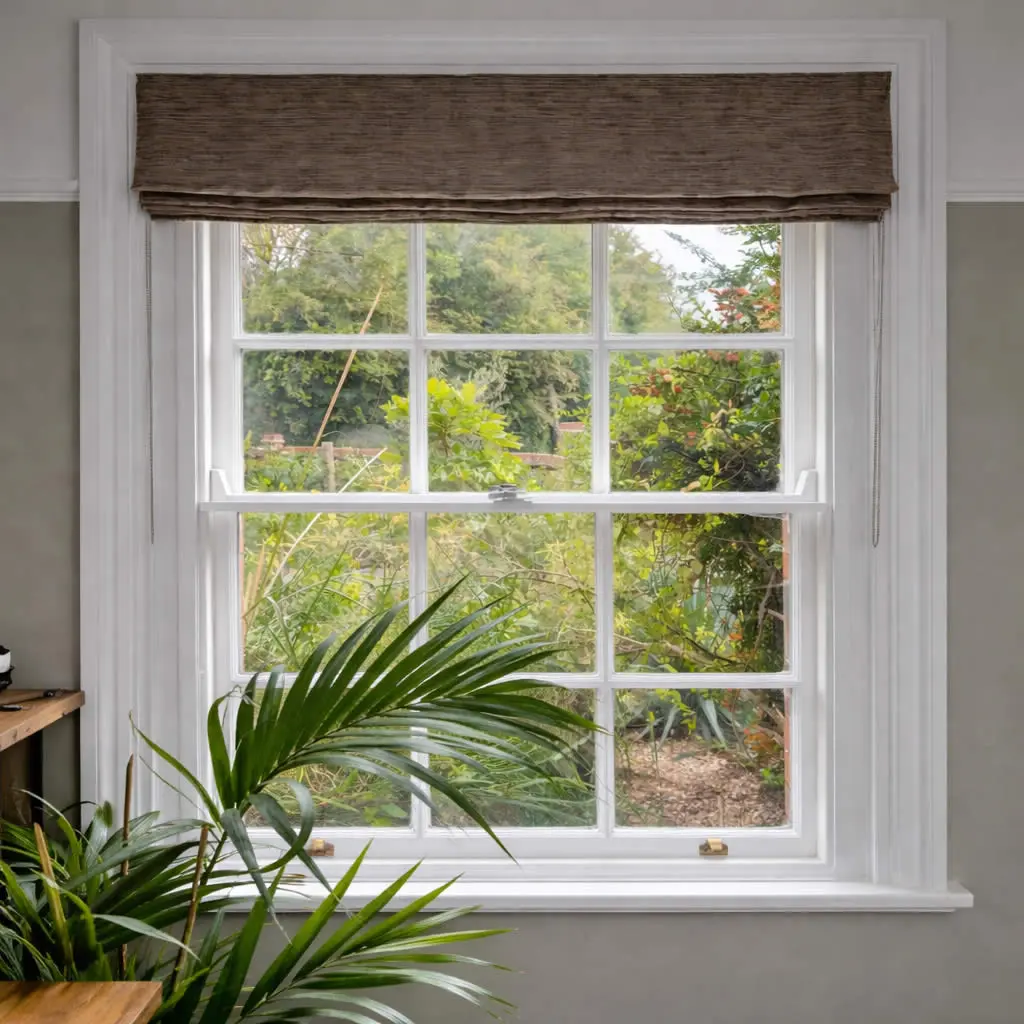
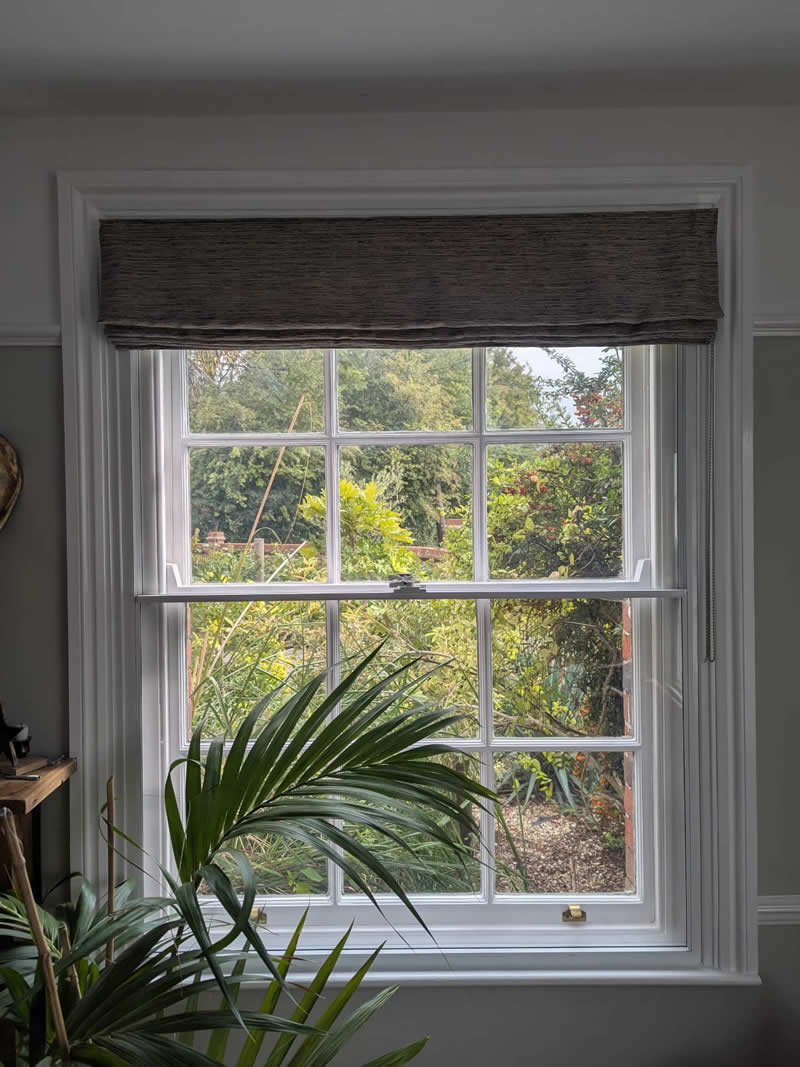
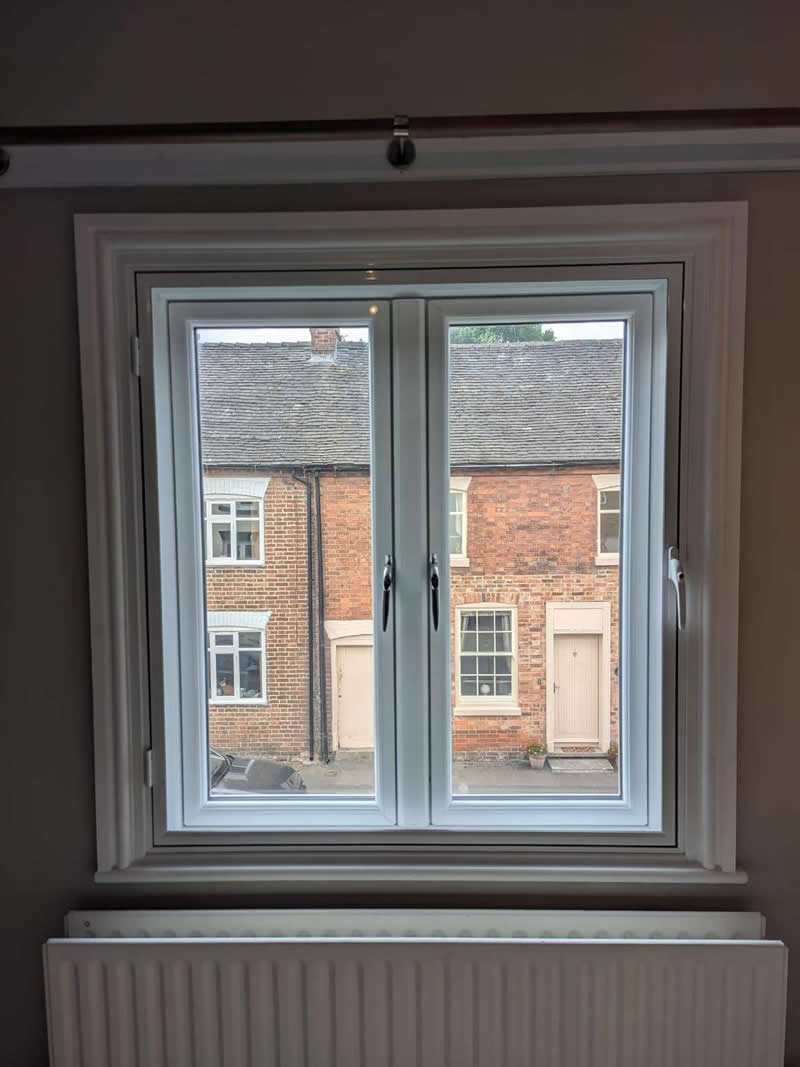
The installation of secondary glazing in homes involves fitting a secondary frame with a glazing unit inside the existing window frame. This process enhances insulation and reduces noise without requiring full window replacements.
What materials are used for secondary glazing?
The materials used for secondary glazing typically include lightweight aluminium frames and various types of glass, such as clear, acoustic, or low-emissivity glass, ensuring enhanced insulation and noise reduction for your windows.
How does secondary glazing compare to double glazing?
Secondary glazing and double glazing both enhance window performance, but secondary glazing is often more cost-effective and less intrusive. It improves insulation and noise reduction without the need for full window replacements, making it ideal for various properties.
What maintenance is required for secondary glazing?
The maintenance required for secondary glazing includes regular cleaning of the glass surfaces and checking seals for any wear. Additionally, ensure that the frames are free from debris to maintain optimal performance.